An orthotic insert supports the arch and foot inside the shoe, while an ankle brace stabilizes the ankle joint itself. In some cases, patients benefit from both.
Custom AFO, Ankle & Knee Braces Personalized Support Custom Ankle-Brace Custom Foot-Brace
5.0
- Same-Day Appointment are Available
- New Patient Special Offer
- Insurance Accepted
who we are
Foot, ankle, and knee pain affect millions of people across New York City every day—whether from arthritis, sports injuries, neurological conditions, or long hours spent walking the city streets. At Gramercy Custom Orthotics & AFO, Dr. Shenker and our clinical team specialize in designing and fitting custom Ankle Foot Orthoses (AFO), alongside precision ankle and knee braces. By utilizing advanced gait analysis and 3D casting, we provide real relief and restore mobility. Unlike generic, store-bought supports, our orthotics are precision-engineered to your unique biomechanics, ensuring long-term comfort and clinical effectiveness.




875+
Reviews from clients
Services
Our Proven
Process.
At Gramercy Custom Orthotics & AFO, we provide a full spectrum of bracing services in NYC:
01Custom AFO Braces
01Custom AFO Braces
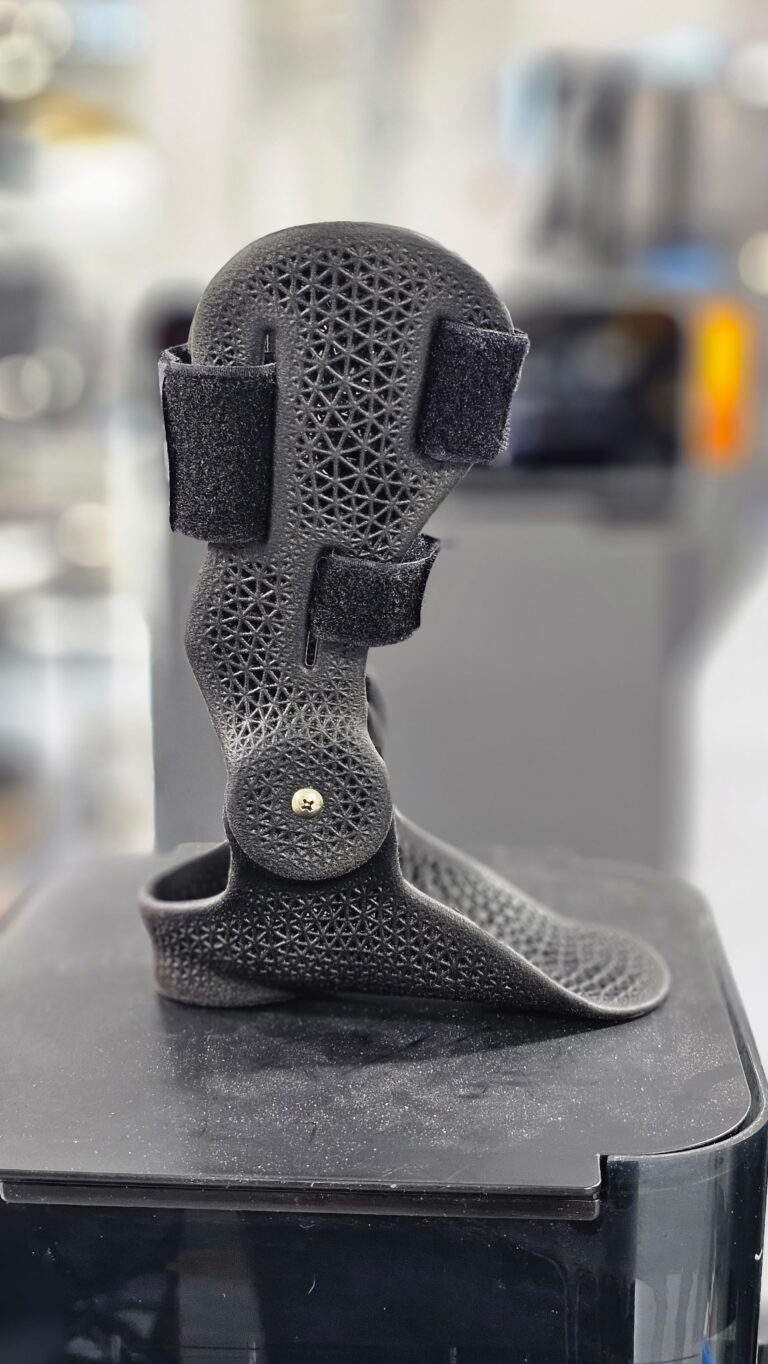
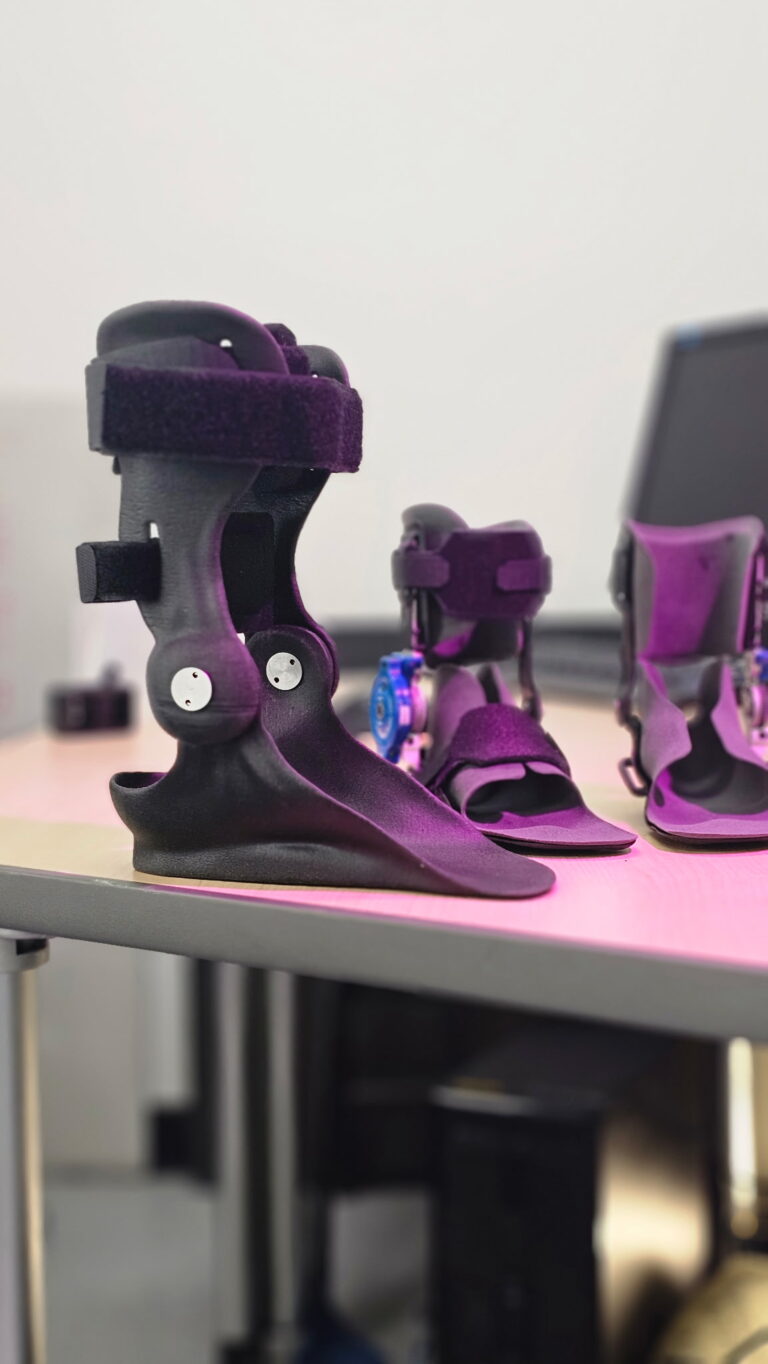
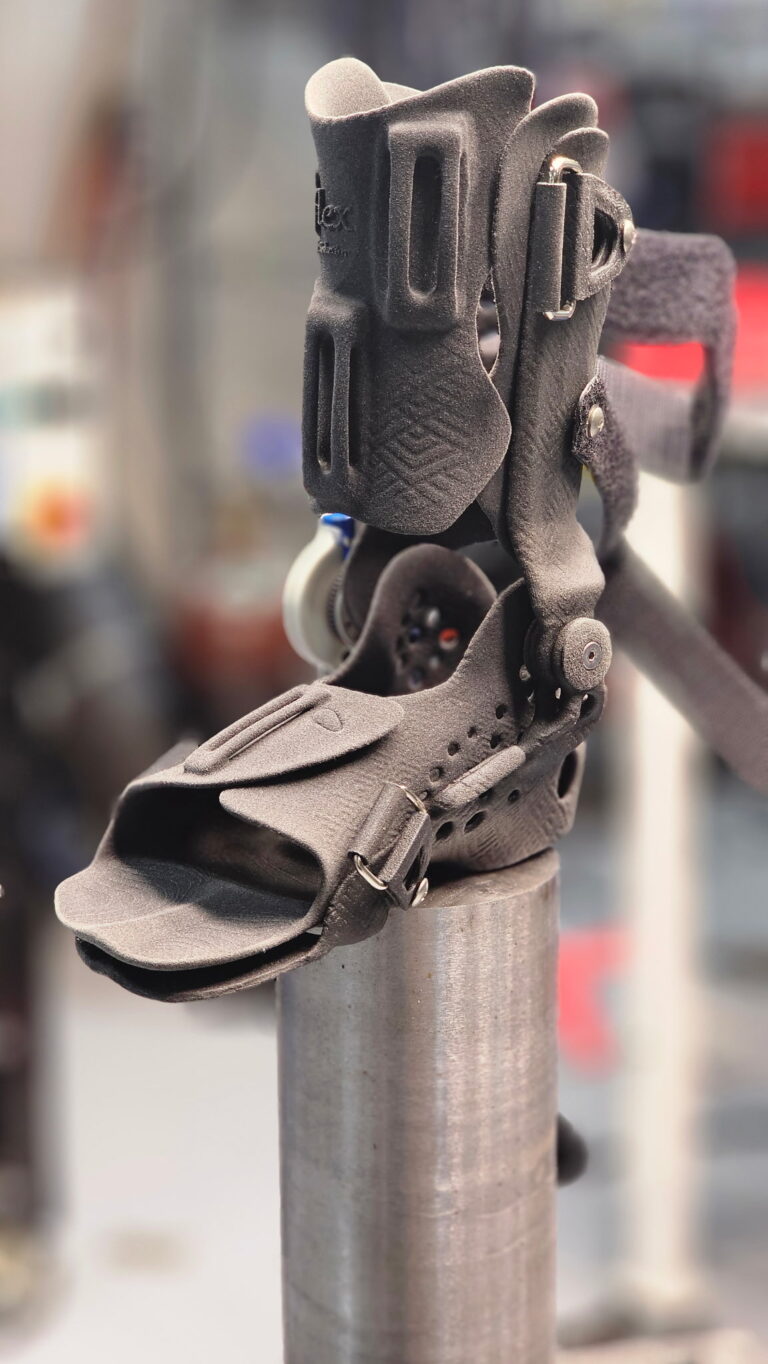
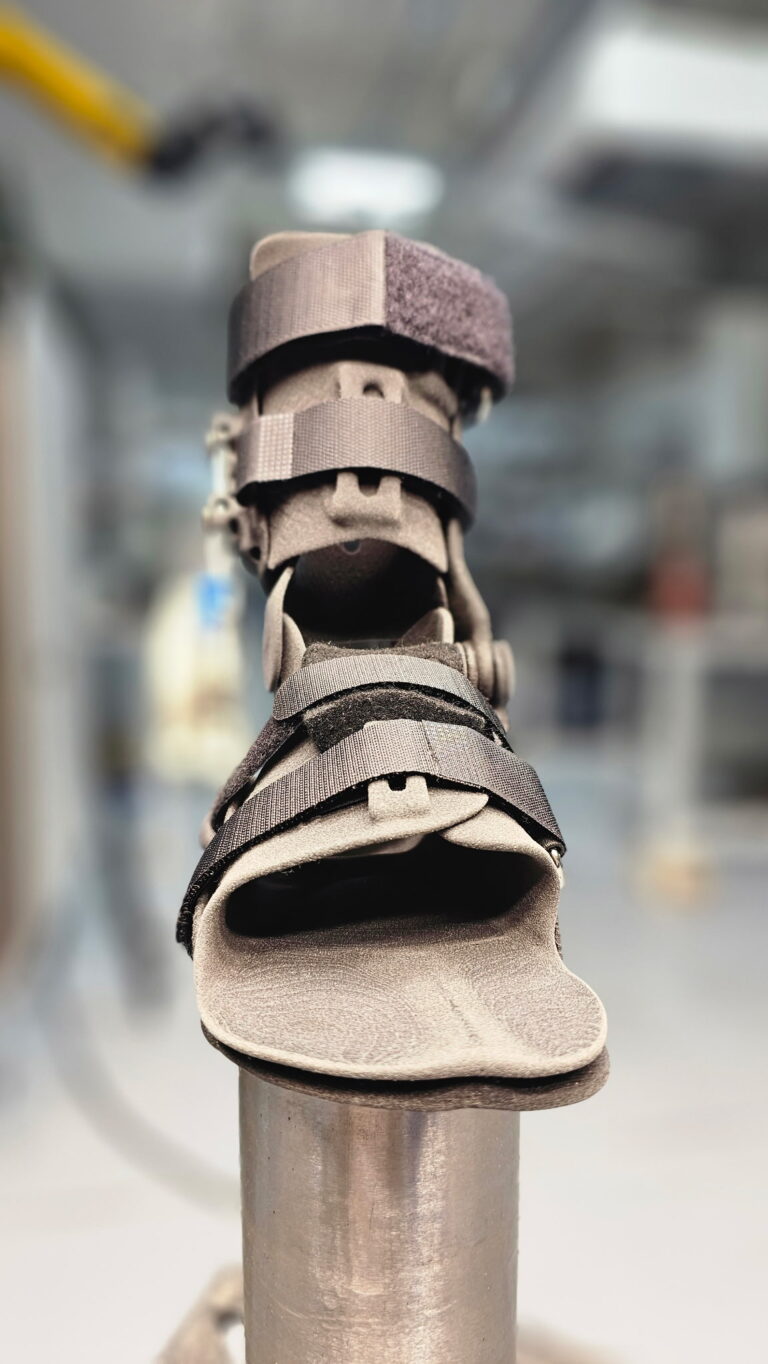
Designed for patients with foot drop, neurological conditions, or post-stroke recovery.
Supports dorsiflexion and prevents tripping.
Encourages a safer, more natural gait.
Lightweight designs that fit inside everyday shoes.
02Custom Ankle Braces
02Custom Ankle Braces
Ideal for chronic ankle sprains, arthritis, and ligament injuries.
Provides stability during walking and sports.
Reduces swelling and pressure on the ankle joint.
Prevents re-injury in active patients.
03Custom Knee Braces
03Custom Knee Braces
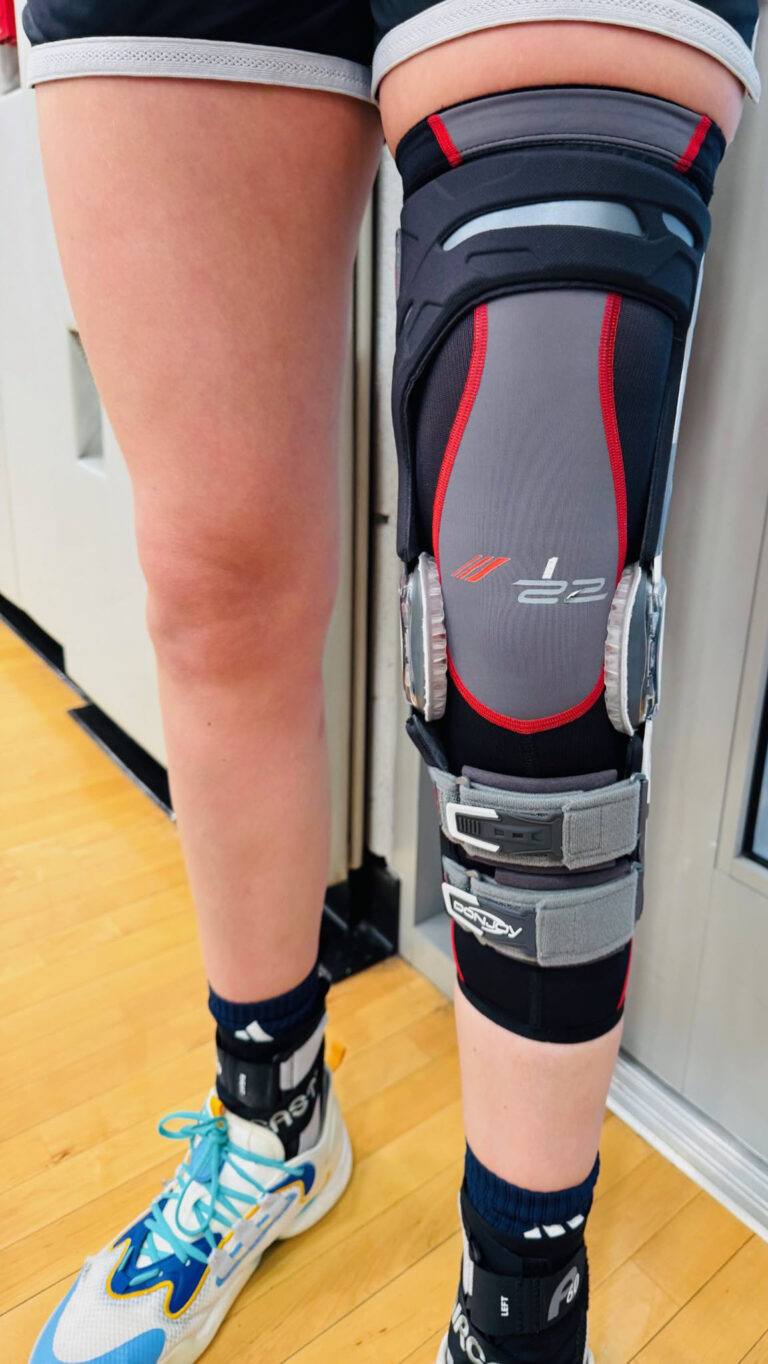
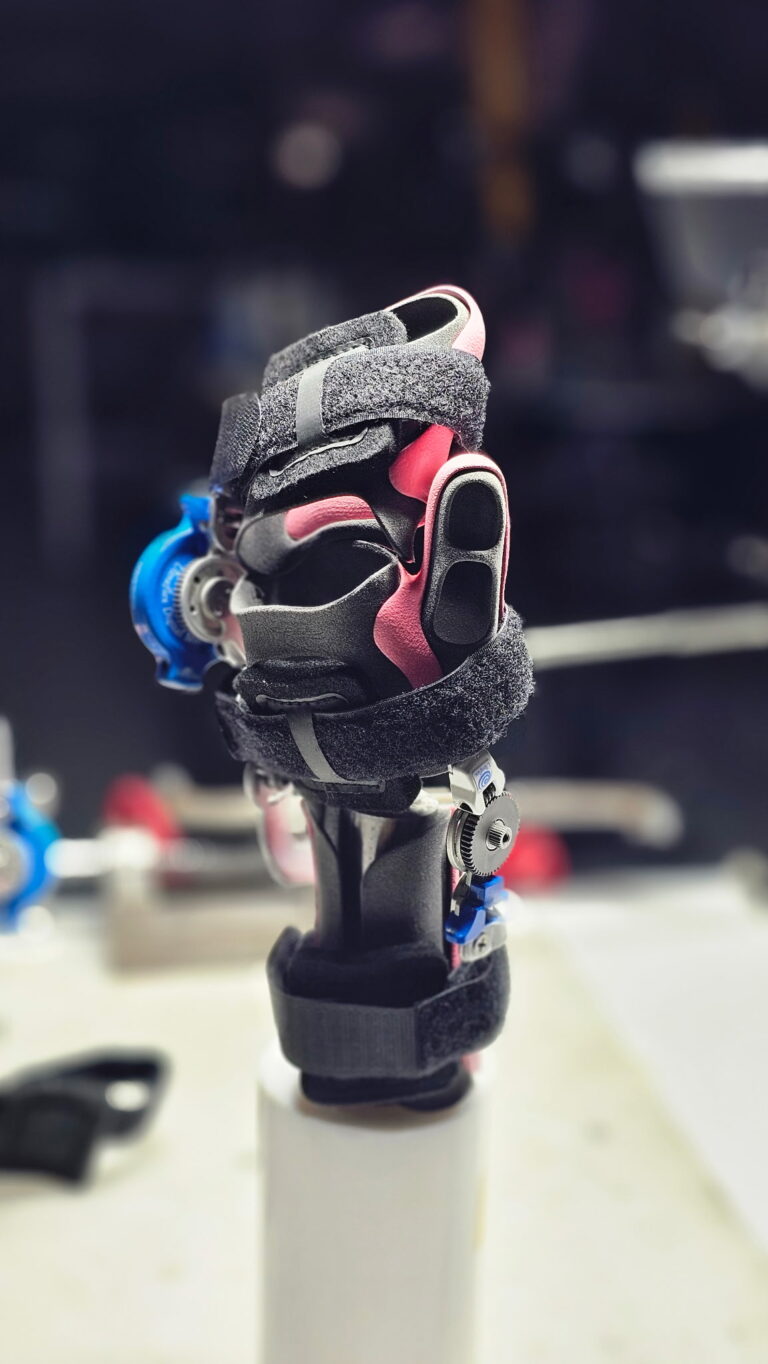
Perfect for arthritis, ligament tears (ACL/MCL), or post-operative recovery.
Offloads pressure on painful areas.
Restores stability and confidence.
Tailored for both active and daily lifestyles.
Each brace is created based on a comprehensive evaluation and custom fabrication process that ensures accuracy and durability.

Best Orthotics & prosthetics service
Customer Choice
Why choose us
Why New Yorkers Need Custom Orthotics & Braces
Generic braces you find online or in a drugstore are designed for the “average” body. But no two patients are alike, and your biomechanics are unique. A custom brace accounts for:
Your exact anatomy: Advanced 3D casting and scanning ensure a precise, frictionless fit for your foot, ankle, or knee.
Your specific diagnosis: Bracing for osteoarthritis requires different structural support than braces designed for sports injuries, foot drop, or neurological conditions.
Your daily lifestyle: An active runner, a construction worker, and an office professional all require varying levels of flexibility, weight, and durability.
Your long-term health: Properly fitted custom orthotics correct your gait, preventing further joint strain, accidental falls, and secondary injuries.
Choosing custom means you get medical-grade, physical therapy-aligned support built specifically for you – not a generic compromise.
- Hands-On, Not Rushed
- Personalized Care
- Same-Day Appointments
- Flexible Scheduling
Visit Our Manhattan Clinic
- Address: 247 3rd Ave, Suite L2, New York, NY 10010
Phone: (212) 598-5913
Office Hours: Monday – Friday
Microprocessor KAFO
(Powered Knee-Ankle-Foot Orthosis)
A Microprocessor KAFO (MP-KAFO)—also known as a powered or active Knee-Ankle-Foot Orthosis — is one of the most advanced forms of lower-limb bracing available today. Unlike traditional locked or mechanical KAFOs, microprocessor-controlled systems use real-time sensors, onboard electronics, and intelligent control algorithms to dynamically stabilize the knee and support the ankle during walking and standing.
At Gramercy Custom Orthotics & AFO in Manhattan, Microprocessor KAFOs are prescribed for patients with complex knee instability, neuromuscular weakness, and high fall risk who require a level of support that conventional bracing simply cannot provide.
What Is a Microprocessor KAFO?
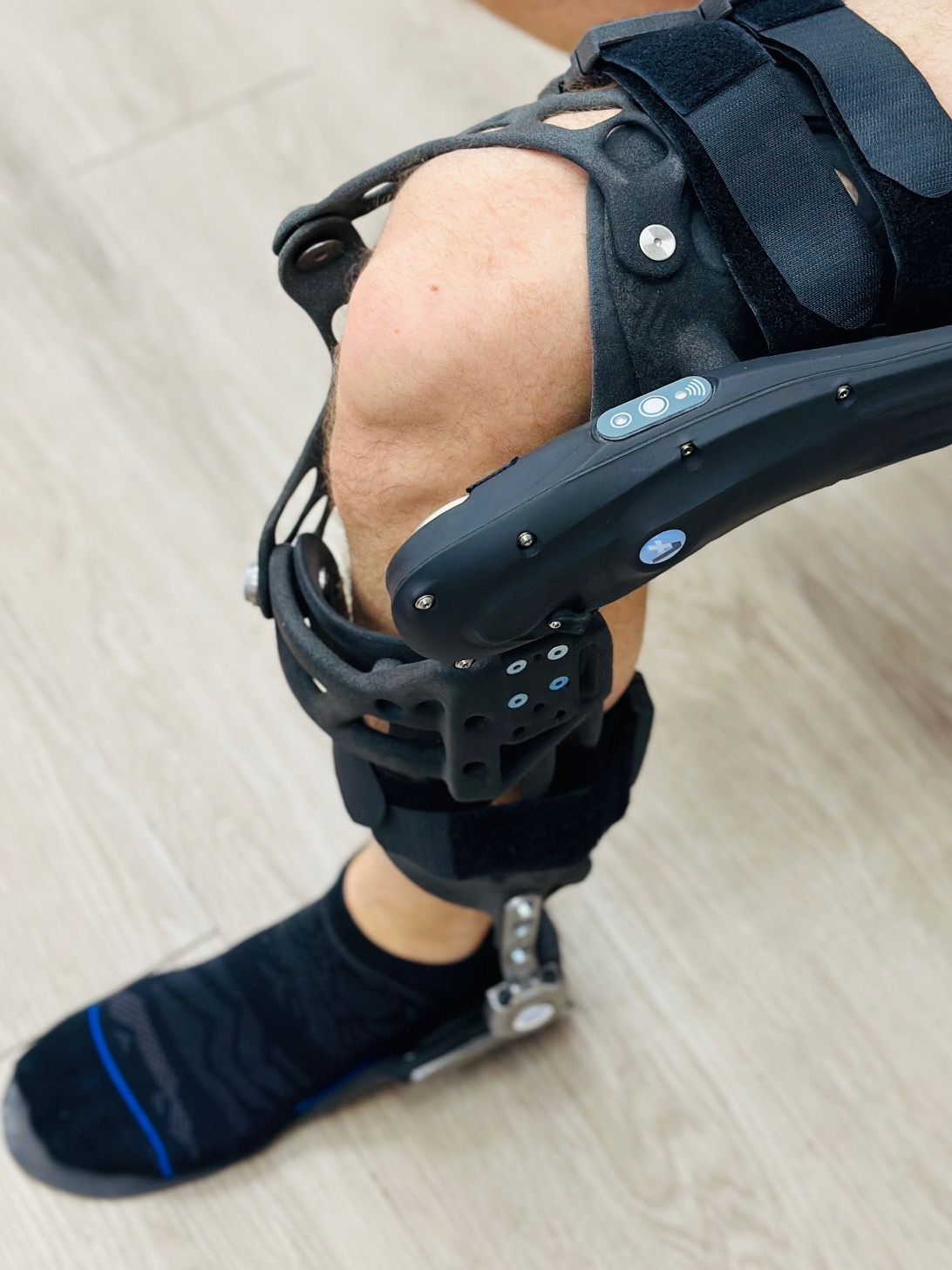
A Microprocessor KAFO is a battery-powered orthotic system that spans the thigh, knee, ankle, and foot, integrating mechanical support with advanced electronic control.
Key components include:
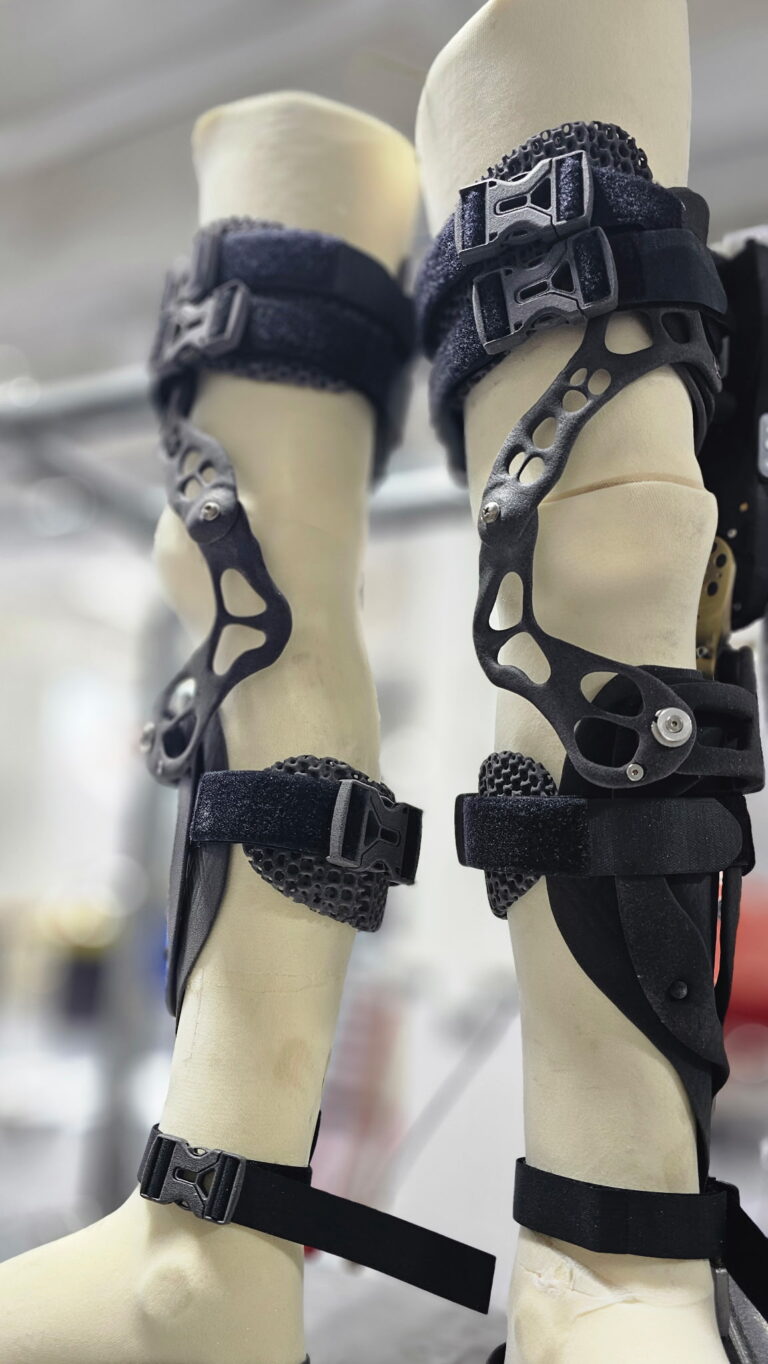
Rigid or semi-rigid thigh and calf shells: Custom-molded for a secure, comfortable fit that transfers weight safely.
A microprocessor-controlled knee joint: The “brain” of the brace that adjusts resistance on the fly.
An articulated ankle joint with a footplate: Designed to promote a natural heel-to-toe walking motion.
Embedded real-time sensors: These analyze your gait mechanics hundreds of times per second.
The microprocessor continuously interprets movement data—such as limb position, loading response, and walking speed—and automatically adjusts knee stability during each phase of your gait. This allows the knee to remain fully stable while bearing weight, while permitting natural, controlled knee flexion as you swing your leg forward.
Who Is a Candidate for a Microprocessor KAFO?
Microprocessor KAFOs are typically prescribed for patients with combined knee and ankle instability whose mobility cannot be adequately managed with a standard AFO or traditional KAFO.
Common indications include:
Severe quadriceps weakness
Post-polio syndrome
Incomplete spinal cord injuries
Stroke recovery (specifically targeting knee instability and foot drop)
Multiple Sclerosis (MS)
Neuromuscular disorders affecting stance-phase control
Recurrent knee buckling associated with a high fall risk
These devices are particularly valuable for patients who require rigid stance-phase knee control but wish to regain a smoother, safer, and more functional walking experience.
Key Features of a Microprocessor KAFO
Intelligent Knee Stability: The electronic knee unit can lock, unlock, or modulate resistance automatically. This provides stance-phase security without forcing the knee to remain rigidly locked throughout your entire gait.
Active or Semi-Active Assistance: Depending on the specific system, the device dynamically adapts to:
Assist knee extension during stance.
Control knee flexion at initial ground contact.
Significantly reduce sudden knee buckling and instability.
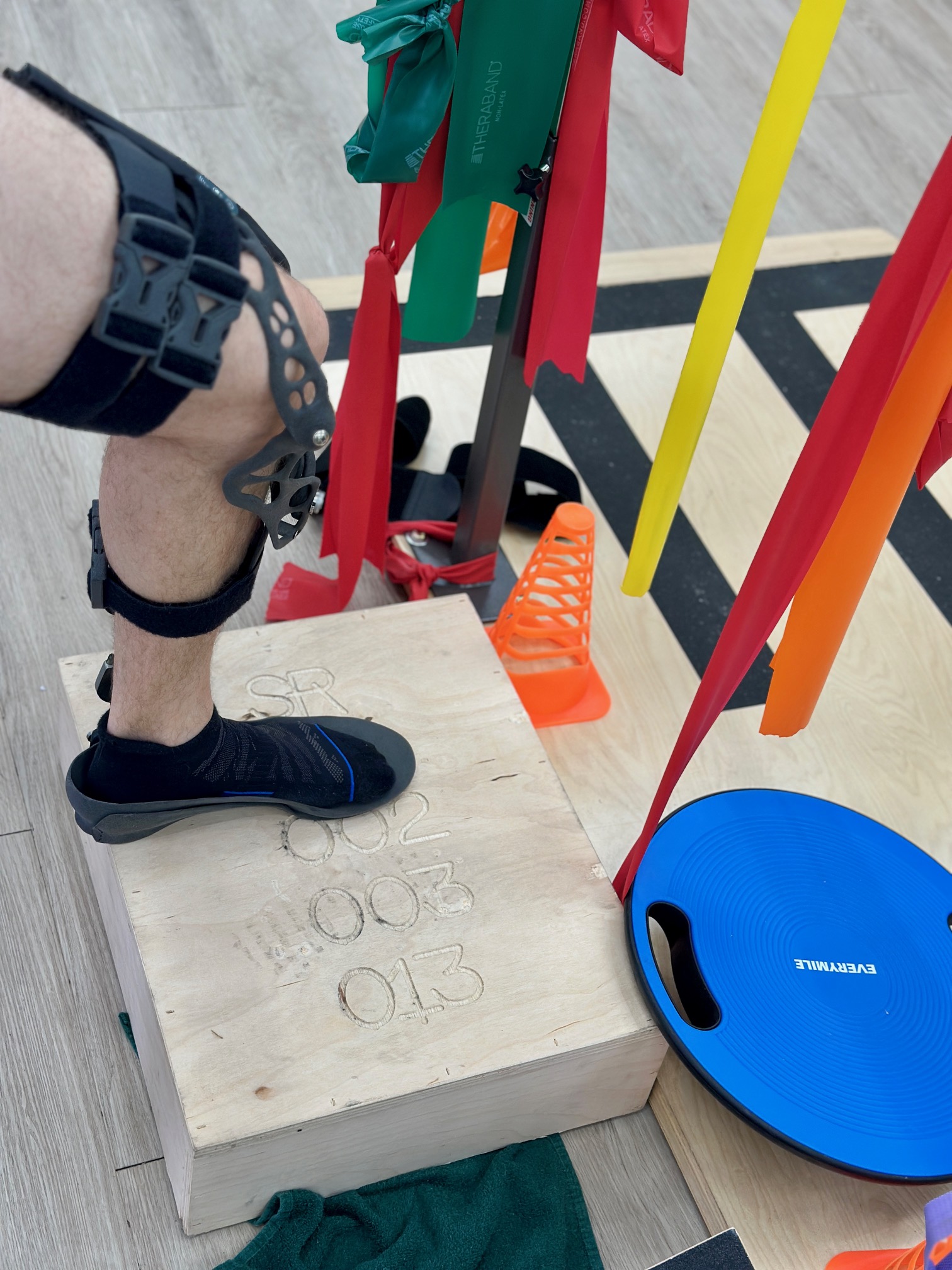
Dynamic Ankle Support: Unlike solid AFOs, MP-KAFOs typically feature an articulated ankle joint, directly improving toe clearance, natural rollover mechanics, and overall gait symmetry and efficiency.
Lightweight Advanced Materials: Modern Microprocessor KAFOs utilize carbon composite frames or 3D-printed structural elements, ensuring maximum strength and durability at a reduced weight.
Battery-Powered & Programmable: Powered by rechargeable batteries and equipped with wireless programming, these devices allow for precise, on-the-fly customization based on the patient’s real-time gait and functional goals.
Evaluation, Custom Fitting, and Gait Training
A Microprocessor KAFO is never an off-the-shelf device. Successful mobility outcomes require a highly clinical, customized approach. The process includes:
Comprehensive biomechanical and gait evaluation.
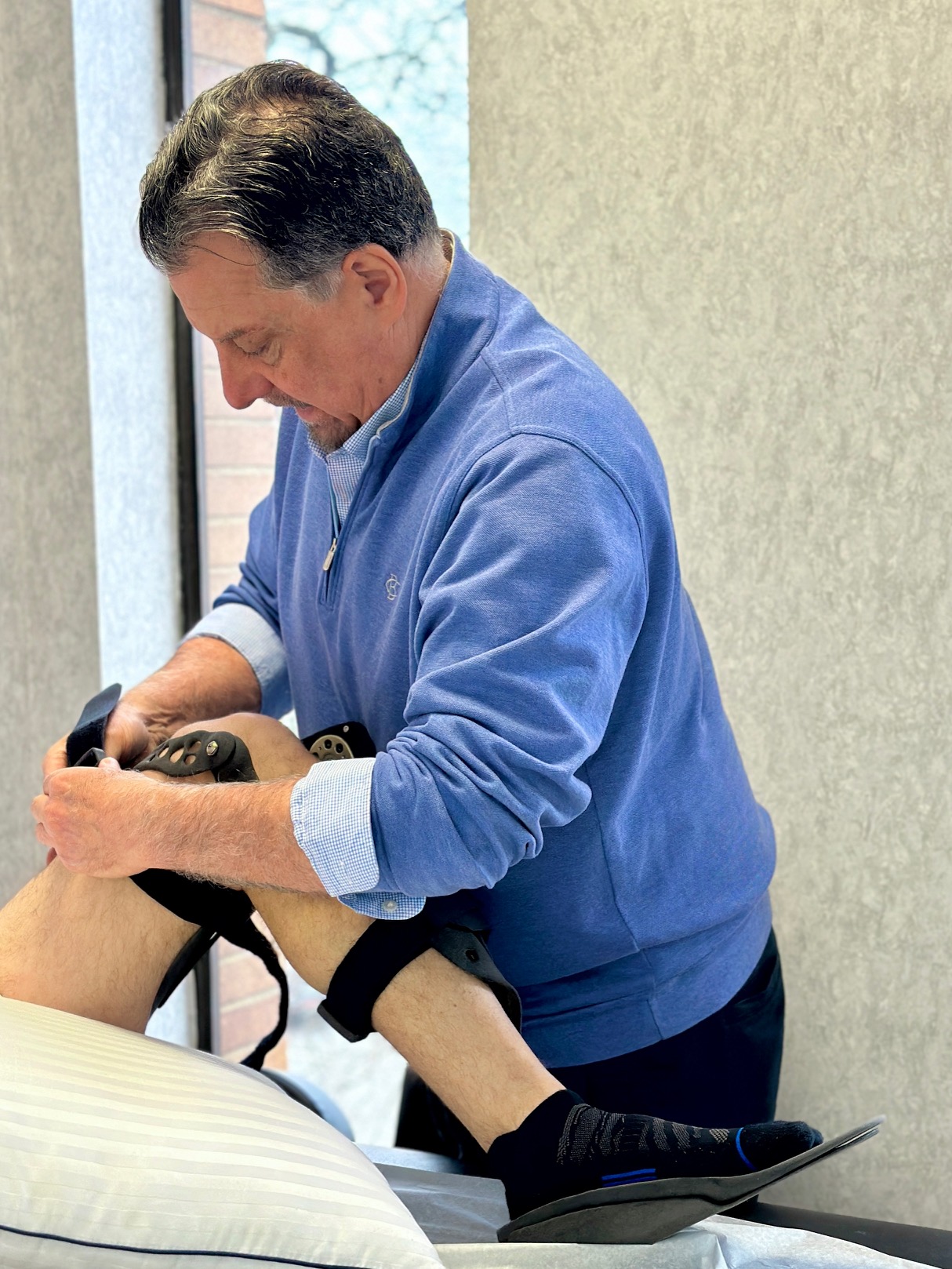
Custom fabrication of the thigh, calf, and foot components.
Precise alignment of both the knee and ankle joints.
Proprietary software programming tailored exclusively to your movement patterns.
Structured gait training and ongoing follow-up adjustments.
At Gramercy Physical Therapy, your Microprocessor KAFO fitting is performed within a comprehensive rehabilitation model. We seamlessly integrate expert orthotic fabrication with dedicated physical therapy to ensure your safety, comfort, and long-term success.
About Us
The Gramercy Custom Fitting Process
When you visit our NYC clinic, we ensure a highly clinical, hands-on approach that generic online vendors simply cannot match. Here is what you can expect:
Comprehensive Evaluation: Our clinicians assess your movement, posture, pain patterns, and daily activity needs through advanced gait analysis.
Precise 3D Scanning: We take exact molds or digital scans of your foot, ankle, or knee to guarantee a perfect anatomical match.
Custom Fabrication: Your brace is meticulously crafted from high-quality, medical-grade materials designed for both durability and comfort.
Expert Fitting: We ensure your brace feels right, moves naturally with your body’s biomechanics, and causes zero irritation.
Ongoing Follow-Up Care: As your condition improves or changes over time, we fine-tune your brace to maintain the optimal level of support.
Why NYC Patients Choose Gramercy
Patients across Manhattan and the greater New York City area trust our team because we prioritize personalized, long-term wellness. We proudly offer:
Dedicated one-on-one evaluations in private treatment rooms.
Seamless care that integrates your orthotics directly into comprehensive physical therapy plans.
A highly convenient Gramercy Park location, easily accessible from Union Square, Kips Bay, and Midtown.
Decades of combined clinical expertise in custom bracing, orthotics, and active rehabilitation.
We don’t just give you a brace — we make sure it works as part of your recovery and long-term wellness.
Gene Shenker, DPT
Doctor of Physical Therapy | CEO
Education & Experience
Dr. Gene Shenker is a licensed Doctor of Physical Therapy and the founder of Gramercy Physical Therapy in New York City. Renowned for his patient-centered and manual therapy approach, Dr. Shenker has been delivering premium-quality care to New Yorkers for over 16 years.With extensive experience across both outpatient and specialized care settings, he has cultivated strong collaborations with orthotists and prosthetists to create an integrated rehabilitation programs. His work is aimed at advancing the field of rehabilitation through technology-driven solutions.Dr. Shenker’s commitment to clinical excellence and forward-thinking design is perfectly encapsulated in his patented innovation, RehabStride™. This groundbreaking, adjustable ankle-foot orthosis (AFO) was meticulously engineered to prioritize restorative mobility and functional recovery. By providing a revolutionary solution to biomechanical challenges that have historically been overlooked, the RehabStride™ AFO brace optimizes a patient’s natural gait and unlocks their full walking potential.
David Rabe, CPO
Clinical Director
Education & Experience
With over three decades of experience in orthotics, prosthetics, and medical rehabilitation, David Rabe is a nationally recognized leader in custom bracing and patient-centered mobility solutions. He has founded and led multiple orthotic and prosthetic practices across New York and New Jersey, served as Vice President of Rehabilitation Services at a major health system, and held executive leadership roles in both clinical and product development settings.David has been directly involved in every aspect of care—from clinical fittings and fabrication to managing multi-site operations and launching additive manufacturing labs. He has secured multiple U.S. utility and design patents for orthopedic devices and brings deep expertise in myoelectric prosthetics, spinal systems, and complex rehabilitation pathways.He holds a Bachelor of Science from New York University, completed post-graduate training in Orthotics and Prosthetics, and completed a clinical fellowship at Rancho Los Amigos National Rehabilitation Center. David is also a former member of the New Jersey State Licensing Board of Examiners and an active member of AAOP and AOPA.
Reviews
Experience the
Difference.
I have been working with GPT for a partially torn ACL, and they’ve been great. The therapists are knowledgeable and attentive. The office staff are supportive and make it easy to schedule follow up appointments. I recommend GPT to anyone recovering from an injury—they’ve made a tough process so much easier.
Dinara Dussembaev
Absolutely love working with Gene and Anna, was struggling with a knee issue for a long time, finally showing some signs of relief, great pt clinic that actually cares about your wellbeing
Bartek Do
I’ve been seeing Anna to work on my neck/shoulders ever since pulling my neck. She’s been super helpful with relieving stress/pressure and giving me exercises.
Jennifer Gu
Phone
FAQ
Frequently Asked Questions
Do insurance plans cover custom AFO, ankle, or knee braces?
Yes, many insurance providers cover custom braces when prescribed as medically necessary. Our office can help verify your benefits and assist with paperwork.
How long does it take to get a custom brace made?
Most custom braces are ready within 2–3 weeks after your initial evaluation and casting. Rush options may be available depending on the case.
Can I wear normal shoes with a custom AFO brace?
In most cases, yes. Modern AFOs are designed to fit into standard footwear. During your fitting, we’ll guide you on the best shoe styles for optimal comfort and support.
How do I know if I need a custom knee brace instead of an off-the-shelf one?
If you have ongoing pain, instability, or a complex injury that isn’t relieved by store-bought supports, a custom knee brace may provide the precision fit and durability you need.