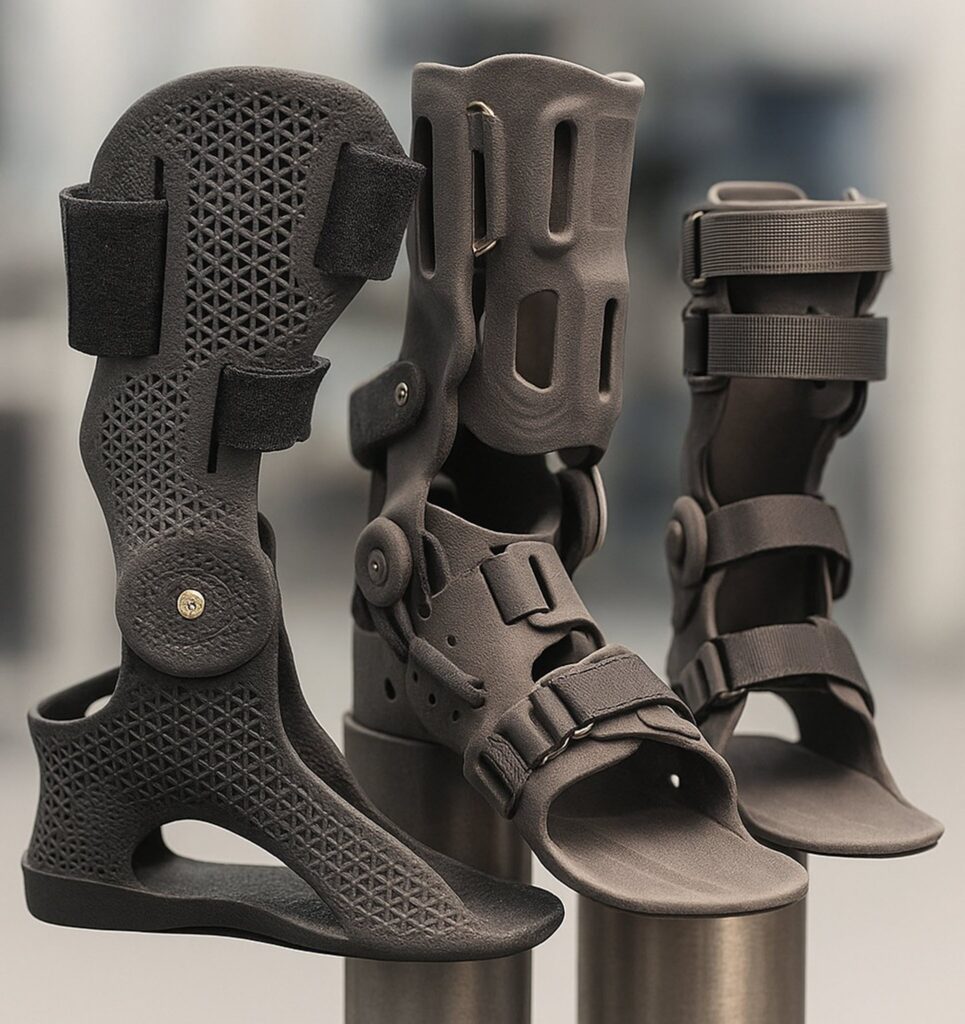
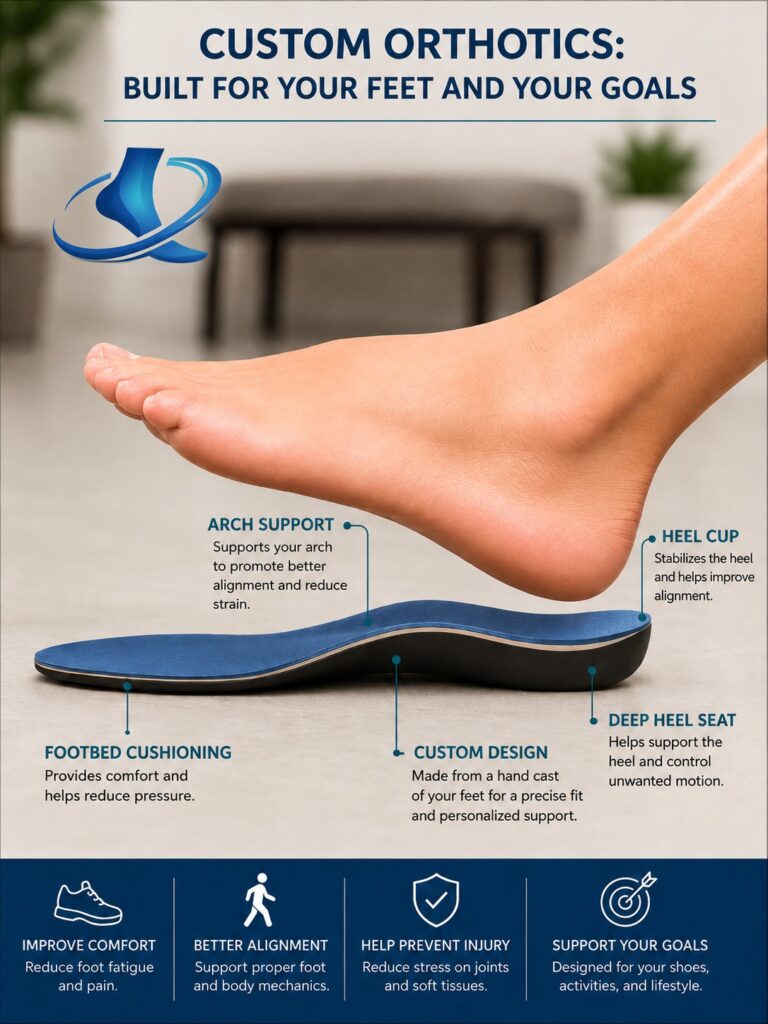
Foot pain can affect much more than your feet. It may change how you stand, walk, exercise, and distribute pressure through your ankles, knees, hips, and lower back. When standard shoe inserts do not provide enough support or fail to match your individual foot structure, custom made orthotics for flat feet may help provide more individualized support and pressure distribution.
But how do you actually get custom orthotics, and what happens during the process?
At Gramercy Custom Orthotics & AFO, custom foot orthotics are created through a hands-on clinical process. We do not rely on a quick retail scan or an online impression kit. Each patient receives an individual foot and movement evaluation, followed by a carefully performed manual plaster cast of both feet.
The completed orthotics are then fitted inside the patient’s shoes, assessed for comfort and function, and adjusted when necessary.
Located in Gramercy Park near Union Square, our Manhattan practice combines orthotic expertise with physical therapy and rehabilitation. The team includes Gene Shenker, DPT, and David Rabe, CPO, allowing each device to be planned around the patient’s symptoms, footwear, daily activities, and mobility goals.
What Are Custom Foot Orthotics?
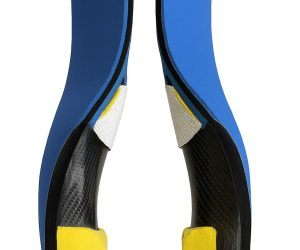
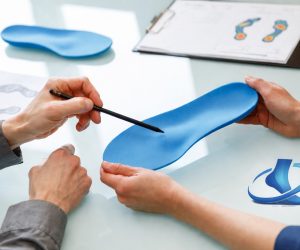
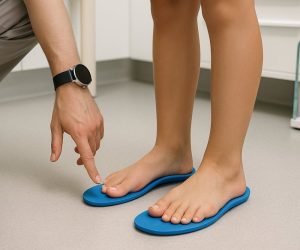
Custom foot orthotics are individually fabricated devices worn inside shoes to support, accommodate, or improve how the feet interact with the ground.
Unlike mass-produced insoles, custom orthotics are created from a precise physical impression of the patient’s feet. Their shape, materials, support level, cushioning, and other design features can be modified according to the individual’s needs.
Depending on the patient, custom orthotics may be designed to:
- Support a low or collapsing arch
- Accommodate a high arch
- Improve stability during walking or standing
- Redistribute pressure away from painful areas
- Reduce stress on irritated joints and soft tissues
- Improve comfort during work, exercise, or daily activity
- Fit into sneakers, work shoes, boots, or selected dress shoes
Custom orthotics are not a universal solution for every type of foot pain. The quality of the clinical evaluation, hand casting, device design, footwear compatibility, and follow-up care can all influence the outcome.
The American Podiatric Medical Association – apma.org distinguishes custom prescription orthotics from nonprescription shoe inserts because custom orthotics are made specifically for the individual patient.
How to Get Custom Orthotics in NYC
The custom orthotics process at Gramercy Custom Orthotics & AFO includes six main stages:
- Clinical evaluation
- Foot and gait assessment
- Hands-on plaster casting
- Custom design and fabrication
- In-office fitting and break-in
- Follow-up adjustments
Each stage has an important role in creating an orthotic that is appropriate for the patient rather than simply producing a generic insert in a different size.
Step 1: Clinical History and Orthotics Evaluation
The first step is determining why you are experiencing symptoms and whether custom orthotics may be appropriate.
Your clinician may ask about:
- The location and type of pain
- When symptoms began
- Activities that make the problem better or worse
- Previous foot, ankle, knee, hip, or back injuries
- Past surgeries
- Your occupation and time spent standing or walking
- Exercise and recreational activities
- Shoes worn for work and daily life
- Previous use of insoles or orthotics
- Your treatment and mobility goals
This information helps the clinician understand how your symptoms affect your daily function.
A custom device should not be prescribed solely because someone has flat feet, high arches, or an unusual-looking footprint. Many people have structural variations without pain. The evaluation should focus on symptoms, movement, function, and individual needs.
Step 2: Foot, Ankle, and Gait Assessment
The next stage is a physical and biomechanical assessment.
The clinician may examine:
- Foot posture and arch height
- Ankle and foot mobility
- Lower-extremity alignment
- Muscle strength
- Flexibility
- Tender or pressure-sensitive areas
- Calluses
- Shoe-wear patterns
- Balance
- Standing posture
- Walking mechanics
Observing the patient while walking is particularly important because the feet do not function in isolation.
Changes in foot and ankle mechanics may influence movement higher in the leg. However, the goal is not to force every foot into a theoretically “perfect” position. The goal is to determine whether an orthotic may improve comfort, support, pressure distribution, or functional movement for that particular patient.
At Gramercy Custom Orthotics & AFO, this evaluation is approached from a rehabilitation perspective. The orthotic is considered one part of a broader plan for mobility and recovery, rather than a product provided without clinical context.
Step 3: Manual Plaster Casting of the Feet
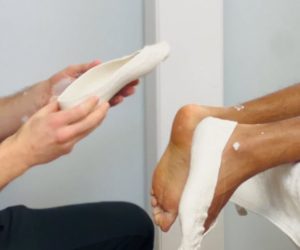
After the evaluation, the clinician creates a hands-on plaster cast of each foot.
During this process, plaster casting material is carefully wrapped and molded around the foot. The clinician manually controls the position of the foot while the cast sets, allowing the cast to capture the foot’s shape and alignment.
This method creates a detailed physical impression that can be used to fabricate the custom orthotics.
Why use a manual plaster cast?
A manual cast allows the clinician to:
- Physically position and support the foot
- Capture the contours of the heel, arch, and forefoot
- Evaluate differences between the right and left feet
- Relate the cast to findings from the clinical examination
- Provide the laboratory with a precise model for fabrication
The cast itself is only one part of the prescription. The clinician must also provide information about symptoms, alignment, activity level, footwear, and the type of support or accommodation needed.
Are both feet cast?
Yes. Both feet should generally be evaluated and cast, even when symptoms are primarily on one side.
The right and left feet may differ in arch shape, flexibility, pressure distribution, heel position, or overall alignment. These differences can affect the final design of each orthotic.
Does plaster casting hurt?
No. Manual foot casting is generally painless.
The plaster material may feel cool or slightly damp while it is applied. The foot is held in the appropriate position until the cast hardens enough to be removed.
Step 4: Custom Orthotic Design and Fabrication
The plaster casts and clinical prescription are used to create the orthotics.
The design may vary according to:
- Foot structure
- Symptoms
- Body weight
- Activity level
- Work demands
- Shoe type
- Areas requiring cushioning or pressure relief
- Desired level of flexibility or control
The prescription may include decisions about:
- Orthotic length
- Shell material
- Rigidity or flexibility
- Arch contour
- Heel cup depth
- Forefoot or rearfoot modifications
- Cushioning
- Top-cover material
- Pressure-relief areas
An orthotic for a runner may differ from one designed for a person who stands all day at work. A device intended for a sneaker may also differ from one made for a dress shoe or work boot.
The most rigid device is not always the best device. A successful orthotic should provide appropriate support while remaining comfortable and practical for the patient’s real-world footwear and activities.
Step 5: Orthotics Fitting Appointment
When the custom orthotics are ready, the patient returns for a fitting appointment.
During the fitting, the clinician checks:
- Whether the orthotics match the feet
- Arch contact and comfort
- Heel position
- Pressure along the sides or edges
- How the devices sit inside the shoes
- Comfort while standing
- Comfort and movement while walking
- Whether trimming or modification is needed
Patients should bring several pairs of shoes that they wear regularly, including:
- Everyday walking shoes
- Athletic shoes
- Work shoes or boots
- Dress shoes
- Shoes associated with increased symptoms
Footwear with a removable factory insole usually provides more room for a custom orthotic. Narrow, shallow, or unstable shoes may be more difficult to accommodate.
One orthotic may not fit equally well in every pair of shoes. The clinician can help determine which shoes are most compatible with the device.
Step 6: Breaking In New Custom Orthotics
Custom orthotics may feel unfamiliar when first worn because they change how pressure is distributed under the feet.
Rather than wearing them for an entire day immediately, most patients should gradually increase wear time.
A sample break-in schedule may include:
- Day 1: One to two hours
- Day 2: Two to three hours
- Day 3: Three to four hours
- Continue increasing wear time as tolerated
The exact schedule may vary according to the patient, condition, and device.
Mild arch awareness or temporary muscle fatigue can occur during the adjustment period. However, the orthotics should not cause:
- Sharp pain
- Numbness
- Blistering
- Significant skin irritation
- Severe pressure
- A major increase in symptoms
If these problems occur, stop wearing the devices and contact the clinic. An adjustment may be needed.
Follow-Up and Orthotic Adjustments
Follow-up care is an important part of the custom orthotics process.
Even when an orthotic matches the original cast, the device may need refinement after the patient uses it during normal walking, work, or exercise.
During follow-up, the clinician may assess:
- Changes in pain
- Skin pressure or irritation
- Comfort while walking
- Shoe fit
- Tolerance of the arch support
- Symptoms during work or exercise
- Whether the device provides too much or too little support
- Whether additional rehabilitation is recommended
Possible adjustments may include:
- Reducing pressure under the arch
- Adding cushioning
- Modifying the heel area
- Creating relief for a sensitive spot
- Changing the support or posting
- Trimming the device
- Replacing or modifying the top cover
Custom orthotics should be viewed as part of an ongoing clinical process, not simply a product that is handed to the patient without further assessment.
Who May Benefit From Custom Orthotics?
Custom orthotics may be considered for people experiencing:
- Symptomatic flat feet
- High arches
- Overpronation
- Plantar heel pain
- Arch pain
- Achilles tendon irritation
- Recurrent ankle instability
- Forefoot pressure
- Pain during prolonged standing
- Foot fatigue at work
- Recurring discomfort during walking or running
- Difficulty tolerating generic inserts
- Foot or ankle symptoms following surgery
Some people may benefit from custom orthotics alone, while others may need a combination of orthotics, physical therapy, exercises, footwear changes, or activity modification.
Custom Orthotics vs. Store-Bought Insoles
Store-bought insoles may be useful for basic cushioning, mild support, or temporary comfort. They are less expensive and can be used immediately.
Custom orthotics provide a more individualized option.
They may be appropriate when:
- Symptoms continue despite appropriate shoes and basic inserts
- The feet have significant structural differences
- A specific area needs pressure relief
- The patient has unusual footwear or activity demands
- Greater control over materials and support is needed
- Follow-up modifications are likely to be important
A custom device is not automatically better for every patient. The decision should be based on clinical findings and individual needs.
What to Bring to Your Custom Orthotics Appointment
Bring:
- Two or three pairs of frequently worn shoes
- Athletic shoes used for exercise
- Work shoes or boots
- Existing insoles or older orthotics
- Relevant prescriptions or medical records
- Information about previous treatments
- A list of your main activities and goals
Wear comfortable clothing that allows the clinician to observe your feet, ankles, knees, and walking pattern.
Do You Need a Prescription for Custom Orthotics?
A prescription may be required in some situations, particularly when a patient plans to submit the cost to an insurance company.
Insurance requirements vary. A plan may require:
- A physician’s prescription
- A covered diagnosis
- Clinical notes
- Prior authorization
- Use of an in-network provider
- Proof that other treatments were attempted
Before your appointment, contact your insurer and ask:
- Are custom foot orthotics covered?
- Is a prescription required?
- Do I need prior authorization?
- Must I use a specific provider?
- What deductible or coinsurance applies?
- What documentation is required for reimbursement?
Coverage should never be assumed.
How Long Does It Take to Get Custom Orthotics?
The fabrication timeline depends on the prescription, materials, laboratory, and complexity of the device.
Custom orthotics are not normally produced during the initial evaluation. The hand casts and prescription must be sent for fabrication, after which the patient returns for the fitting appointment.
The anticipated timeline should be reviewed during the initial visit.
Where to Get Custom Orthotics in Manhattan
Gramercy Custom Orthotics & AFO provides clinical evaluations, manual plaster casting, custom fabrication, in-office fittings, and follow-up adjustments at:
247 Third Avenue, Suite L2
New York, NY 10010
Our office is located in Gramercy Park near Union Square and serves patients from throughout Manhattan and New York City.
Our rehabilitation-driven approach combines the experience of a Doctor of Physical Therapy and Certified Prosthetist-Orthotist. This allows us to consider not only the shape of your feet, but also your walking mechanics, symptoms, footwear, lifestyle, and functional goals.
Schedule a Custom Orthotics Evaluation in NYC
Getting custom orthotics should begin with a careful evaluation, not simply a scan or an online order.
At Gramercy Custom Orthotics & AFO, the process includes clinical assessment, hands-on plaster casting, personalized fabrication, fitting, break-in guidance, and follow-up adjustments.
Call (212) 598-5913 or request an appointment online to schedule a custom orthotics evaluation in Manhattan.
Frequently Asked Questions
How long does the initial custom orthotics appointment take?
The appointment length depends on the complexity of your symptoms. It generally includes a medical and activity history, foot and ankle assessment, walking evaluation, footwear review, and manual plaster casting.
Are Gramercy’s custom orthotics made with a 3D scanner?
No. Gramercy Custom Orthotics & AFO uses a hands-on plaster casting process to create a physical impression of each foot.
Is manual plaster casting painful?
No. The process is generally painless. Plaster casting material is applied around the foot and allowed to set while the clinician carefully controls the foot’s position.
Can custom orthotics fit into every shoe?
Not always. Custom orthotics require sufficient depth, width, and stability inside the shoe. Sneakers and shoes with removable factory insoles are usually easier to accommodate than narrow or shallow footwear.
Should new custom orthotics feel uncomfortable?
They may feel different during the break-in period, but they should not cause sharp pain, numbness, blistering, or significant worsening of symptoms. Persistent discomfort should be evaluated.
Can custom orthotics be adjusted after the fitting?
Yes. The arch, heel area, cushioning, top cover, edges, and pressure-relief areas can often be modified during follow-up care.
Do custom orthotics replace physical therapy?
Not necessarily. Orthotics may provide support or redistribute pressure, but they do not independently restore strength, flexibility, balance, or movement control. Some patients benefit from combining orthotics with physical therapy and exercise.
* This article is intended for general educational purposes and does not replace an individualized medical, physical therapy, or orthotic evaluation.
References
- American Podiatric Medical Association. Prescription Custom Orthotics and Shoe Inserts .
- Whittaker GA, Munteanu SE, Menz HB, et al. Foot orthoses for plantar heel pain: a systematic review and meta-analysis . British Journal of Sports Medicine. 2018.
- Herchenröder M, Wilfling D, Steinhäuser J. Evidence for foot orthoses for adults with flatfoot: a systematic review . Journal of Foot and Ankle Research. 2021.
- Banwell HA, Mackintosh S, Thewlis D. Foot orthoses for adults with flexible pes planus: a systematic review . Journal of Foot and Ankle Research. 2014.
- Centers for Medicare & Medicaid Services. Medicare Podiatry Care: Coverage and Compliance Information .
- Centers for Medicare & Medicaid Services. Therapeutic Shoes for Persons with Diabetes: Policy Article .